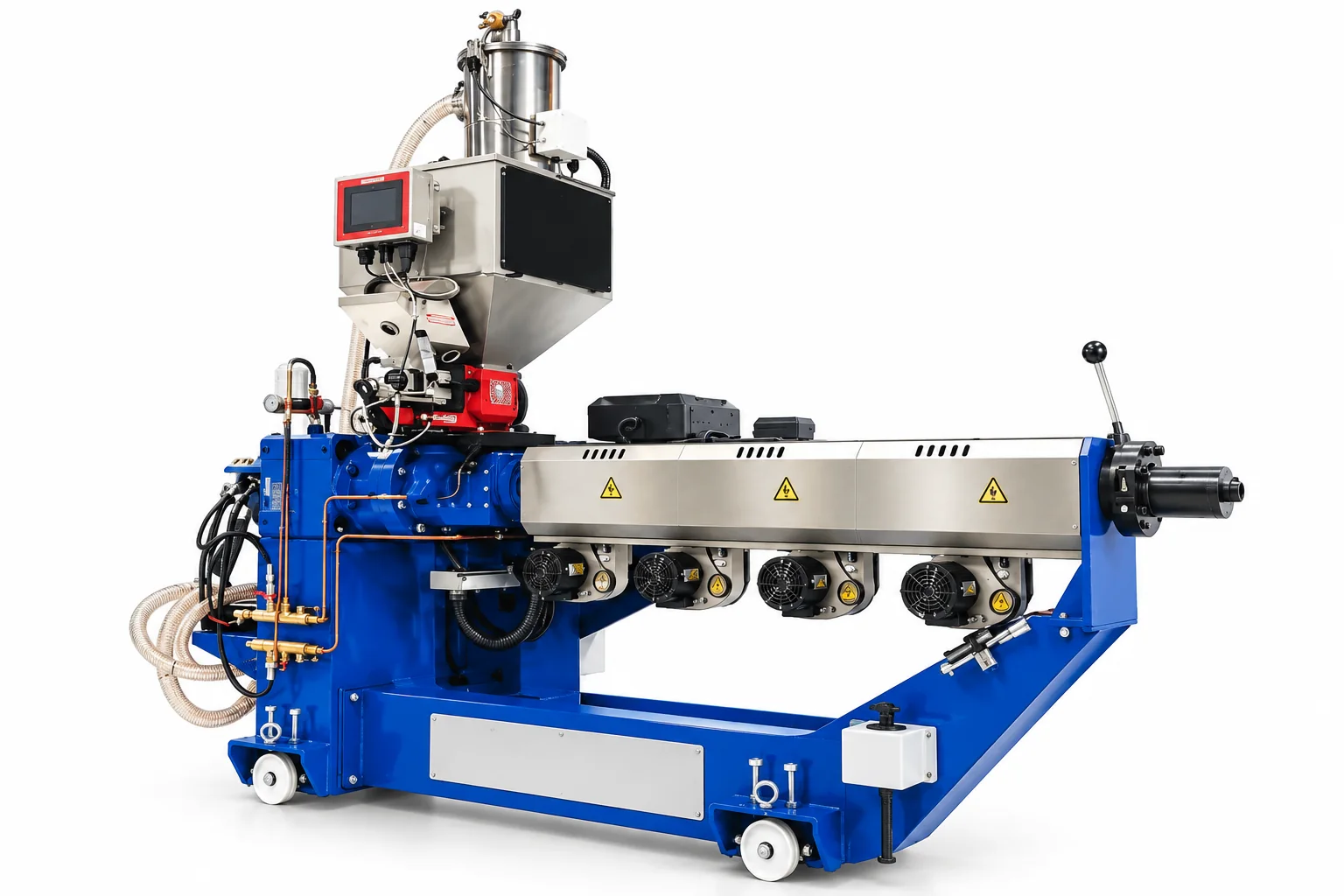
Extruder Line for Cable & Wire Production

extrusion

Extruder Line for Cable & Wire Production

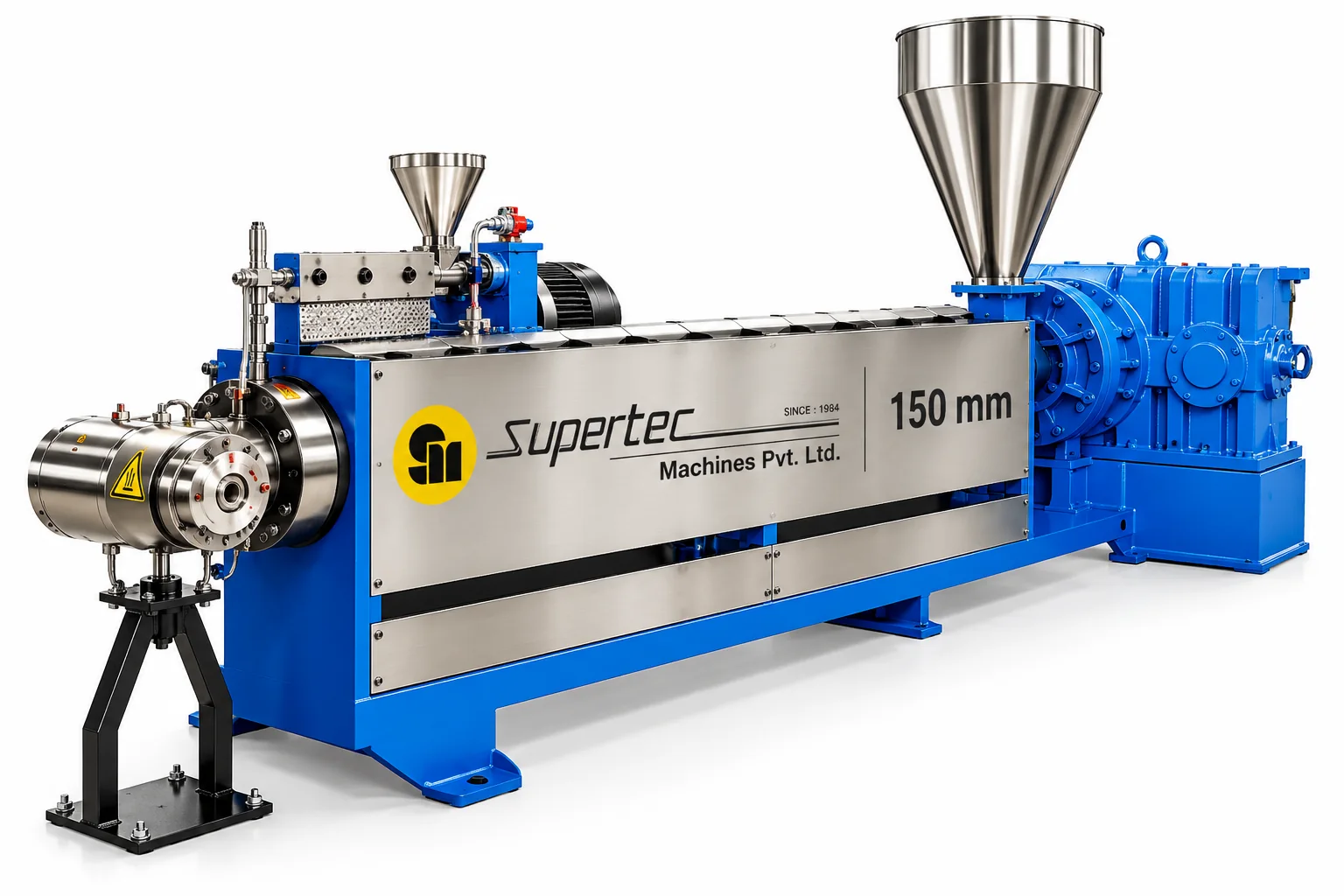
Cable and wire extruder lines for feeding, melting, and shaping material through a die, followed by cooling to form the finished product.

Call us

Extruder line for Cable & Wire production

Cable and wire extrusion uses controlled feeding, melting, shaping, and cooling to form a product through a die. Depending on the product, cutting or stretching may follow the cooling stage.

Supertec lists single and dual Cable & Wire Extruder Line configurations. The die defines the product shape, while cooling helps the extruded material solidify and retain that shape.

overview

Machine overview.

Supertec's Cable & Wire Extruder Line processes raw material through controlled feeding, melting, shaping, and cooling. The extruder softens the material in a heated barrel and pushes it through a die that gives the product its required profile.

For cable and wire production, extrusion applies insulation or a protective sheath around the conductor. The line can be configured around the product and process, with cooling and further operations such as cutting or stretching used as required.

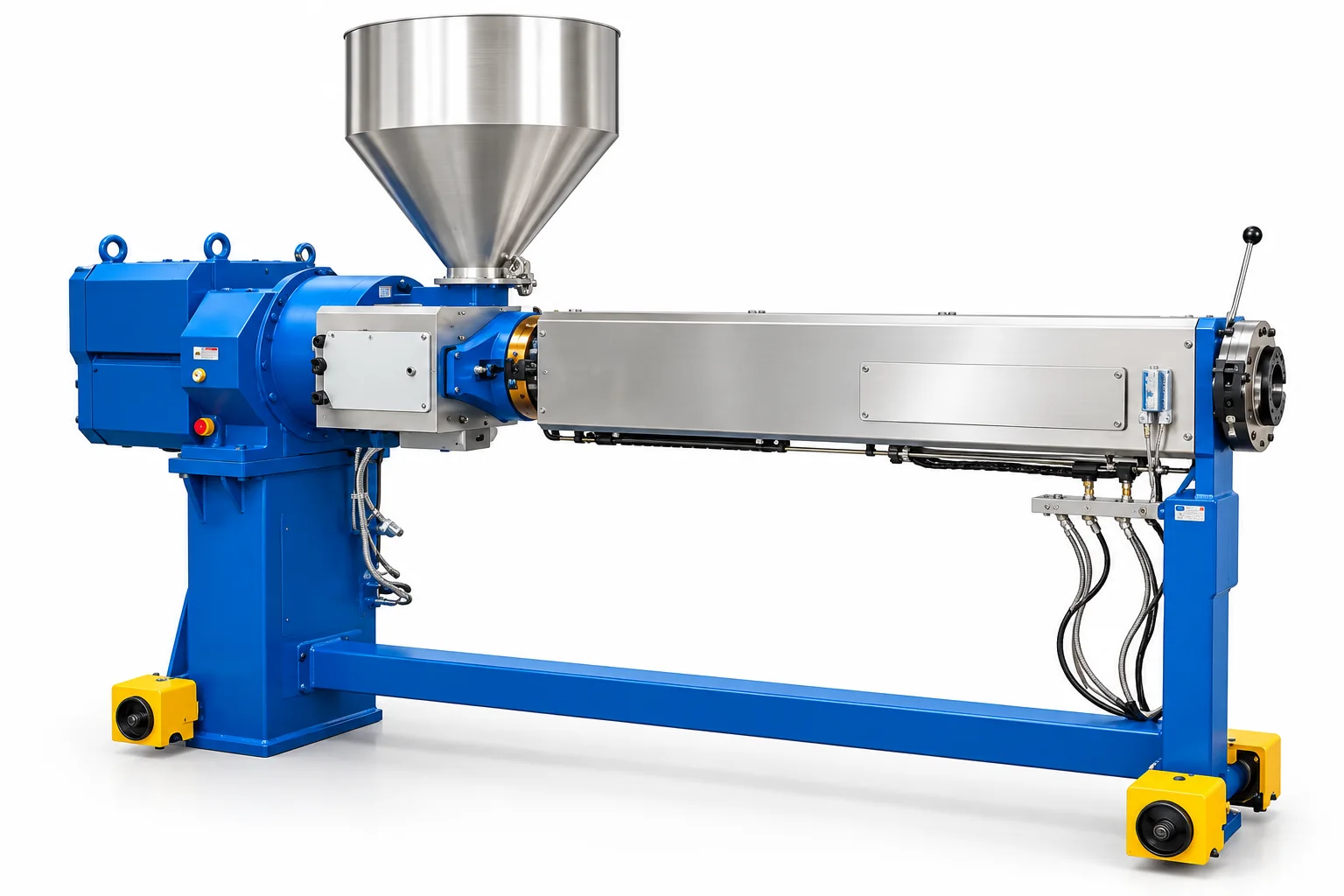
Single Cable & Wire extruder line
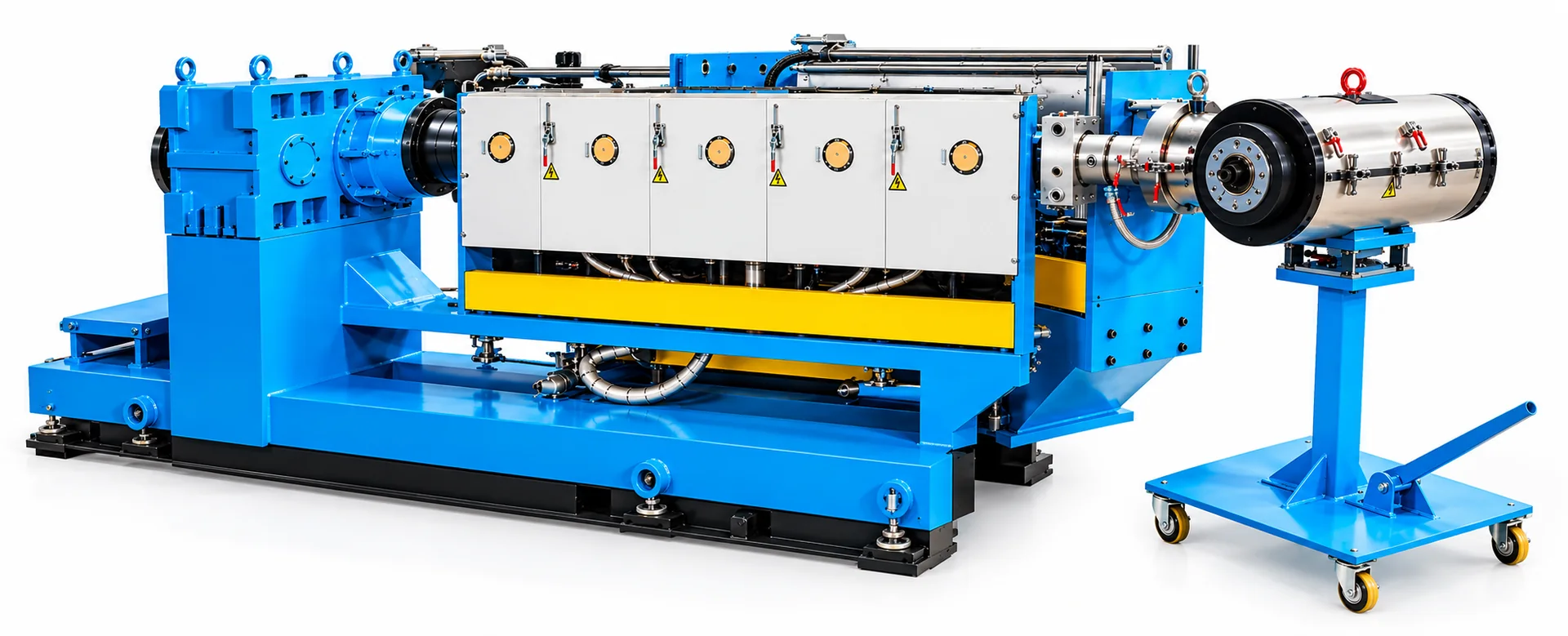
Dual Cable & Wire extruder line
Dual Cable & Wire Extruder line

Types of Cable & Wire Extruder Lines

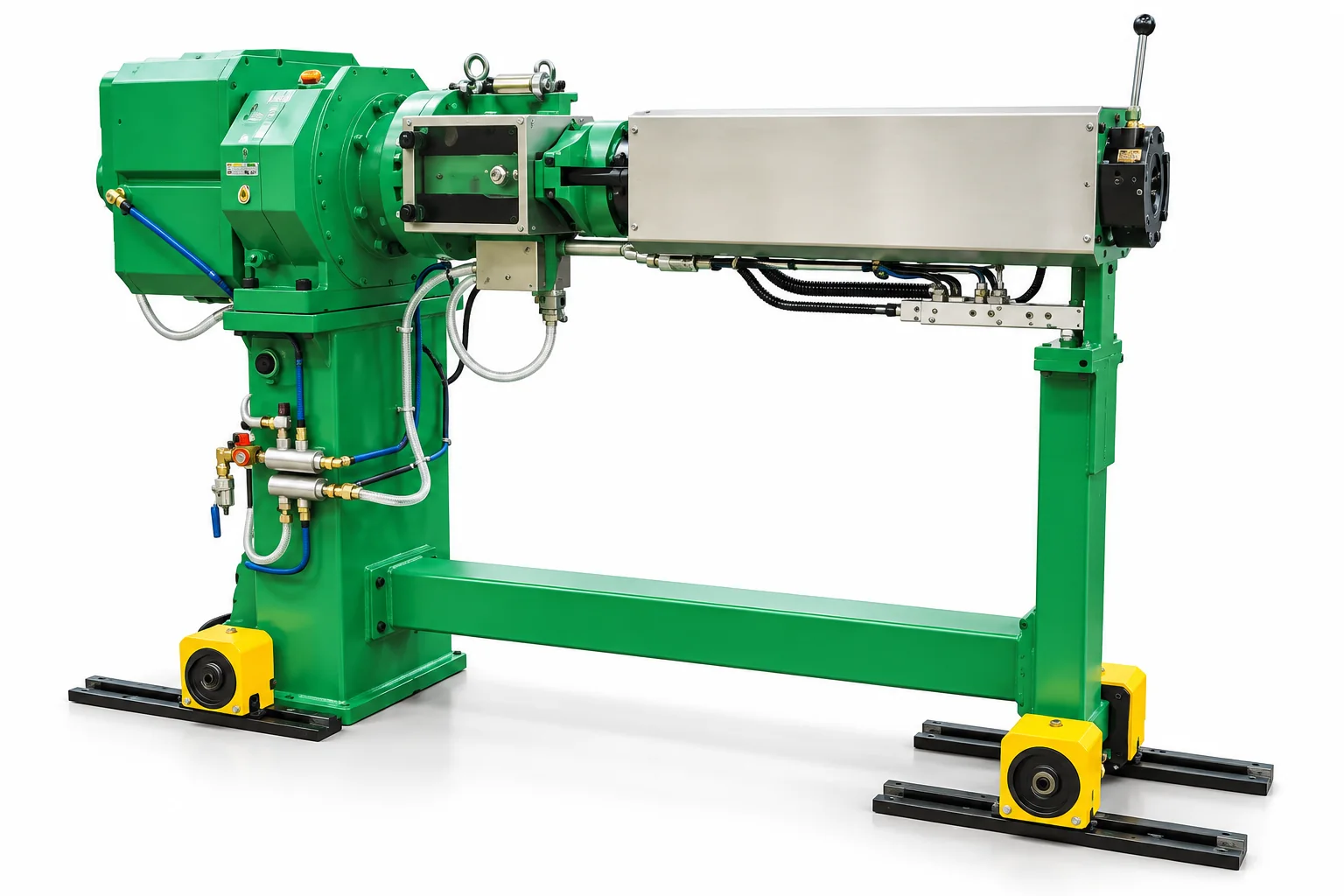
Silicone extruder machine

Silicone Extruders

Mechanical Characteristics

  • Robust reducer with integrated AC motors.
  • Cylinder, endless screw, and screw sheath made from bimetallic material.
  • Water cooling for the gearbox, motors, cylinder, screw, and feed zone.

Electrical Equipment

  • AC motors integrated into the gear unit.
  • Digital frequency inverter for AC motors.
Rubber extruder machine

Rubber Extruders 45 to 175 mm

Mechanical Characteristics

  • Robust reducer with integrated AC motors.
  • Cylinder, endless screw, and screw sheath made from bimetallic material.
  • Water cooling for the gearbox, motors, cylinder, screw, and feed zone.

Electrical Equipment

  • AC motors integrated into the gear unit.
  • Digital frequency inverter for AC motors.
Cable & Wire insulation line

Data Cables Insulation Lines

Applications

  • Data cable insulation lines.
  • Building wire insulation lines.
  • Automotive cable insulation lines.
  • Combined, sheathing, and tandem filling and sheathing lines.
  • Fluorinated product and silicone insulation lines.
Key Features

Thoughtfully engineered for precision, reliability and lasting performance.

How the extrusion line works.

Controlled Material Feeding

A hopper feeds pellets, granules, or powder into the extruder at a controlled rate.

Screw-Based Melting

Rotating screw(s) convey material through a heated barrel, where heat and friction soften or melt it.

Die-Defined Product Shape

Material is pushed through a die that determines the shape of the extruded product.

Air or Water Cooling

Cooling helps the shaped material solidify and retain its required form.

Single and Dual Line Options

Supertec lists single and dual Cable & Wire Extruder Line configurations.

Further Processing as Needed

Depending on the product, additional cutting or stretching can be performed after shaping.

Precision engineered · Built for industry

Applications

A versatile process across industries.

Cable & Electrical Wire

Extrusion forms cable and electrical wire products, including shaped insulating or protective layers.

Plastic Products

The source article lists pipes, sheets, films, profiles, and cables among common plastic extrusion products.

Food Products

Extrusion is used to produce snacks, breakfast cereals, pasta, and other food products.

Automotive Components

Extruded automotive products include seals, gaskets, and trim pieces.

Medical Products

Applications include catheters, tubes, and specialized medical equipment.

Construction Products

Extrusion can produce window frames, roofing materials, flooring, and other construction products.

Precision engineered

extrusion process at a glance

Feeding & melting

Raw material form
Pellets, granules, or powder
Feeding
Hopper with controlled feed rate
Melting
Heated barrel with rotating screw(s)
Material movement
Screw conveys and pushes softened material

Shaping & cooling

Shaping tool
Product-specific die or mold
Cooling methods
Air or water bath
Purpose of cooling
Solidifies and fixes the product shape
Further operations
Cutting or stretching, where required

Available line types

Cable & Wire extruder lines
Single and dual line configurations
Die
Designed for the intended product profile
Process stages
Feeding, melting, shaping, and cooling

How the Extruder Line Works in 5 Steps

01 — Feeding. Pellets, granules, or powder enter the extruder through the hopper. The feed rate is controlled for a consistent supply.

02 — Melting. The material moves through a heated barrel as rotating screw(s) convey it. Heat and friction soften or melt the material.

03 — Shaping. Screw pressure pushes the softened material through a die or mold that defines the required product profile.

04 — Cooling. Air or water cooling solidifies the extruded material and helps fix its shape.

05 — Further processing. Where the product requires it, cutting or stretching is performed as the material cools or after it has been shaped.
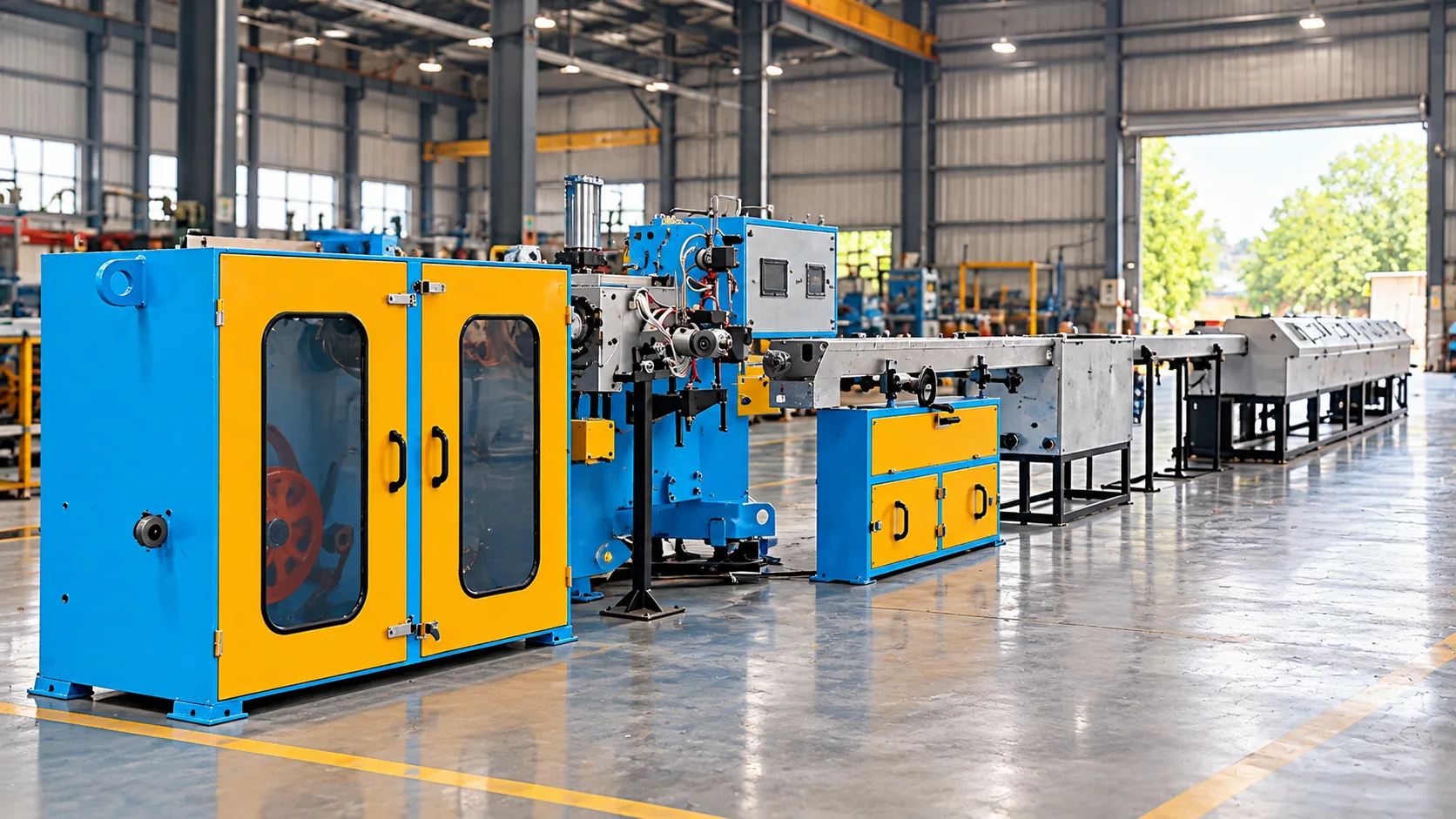
Single and Dual Cable & Wire Extruder Lines

Supertec's source page lists both single and dual Cable & Wire Extruder Line configurations. The appropriate line and die are selected for the intended cable or wire product and its required shape.

advantages

Thoughtfully engineered for precision, reliability and lasting performance.

Benefits of the extrusion process.

Controlled Feed

Regulating material feed helps maintain a consistent supply into the extrusion process.

Continuous Shaping Process

The screw pushes softened material through the die to form a continuous product profile.

Product-Specific Dies

A die can be designed around the required product shape, from simple profiles to more complex forms.

Broad Process Applications

The source article describes extrusion uses across plastic, food, automotive, medical, and construction products.

Precision engineered · Built for industry

FAQs

Frequently asked questions.

Helpful details about this machine, its capabilities, and applications.

07

ready to discuss your line?

Get a quote for your requirements.